
In a statement released on Tuesday, the Smithsonian Museum recognized that many of its famed treasures were obtained unethically — basically plundered. Stating that :
“many artifacts and works of art have been in the Smithsonian’s holdings for decades or, in some cases, more than 150 years,” the museum acknowledged that “ethical norms and best practices in collecting have changed, particularly with respect to collecting cultural heritage from individuals and communities.”
The announcement comes a year after a panel of curators and collection specialists considered whether the Smithsonian network of museums should develop a "shared stewardship" policy that would enable the temporary repatriation of looted, stolen, or otherwise unethically obtained objects. The policy will be focused on repatriating or agreeing on shared stewardship of human remains, particularly those obtained without the agreement of the individual or their family, according to the policy.
Individual museums will establish criteria and procedures for "deaccessioning and returning collections for ethical reasons," with the parent organization's Board of Regents intervening only when the collections are of "significant monetary value, research or historical value, or when the deaccession might create significant public interest."
"Past acquisitions raising ethical concerns should be investigated and addressed in a manner consistent with current ethical standards," according to the museum's news release, implying that "being proactive" is preferable to "simply responding" – i.e. reacting to scandals – when it comes to addressing issues related to past collecting.
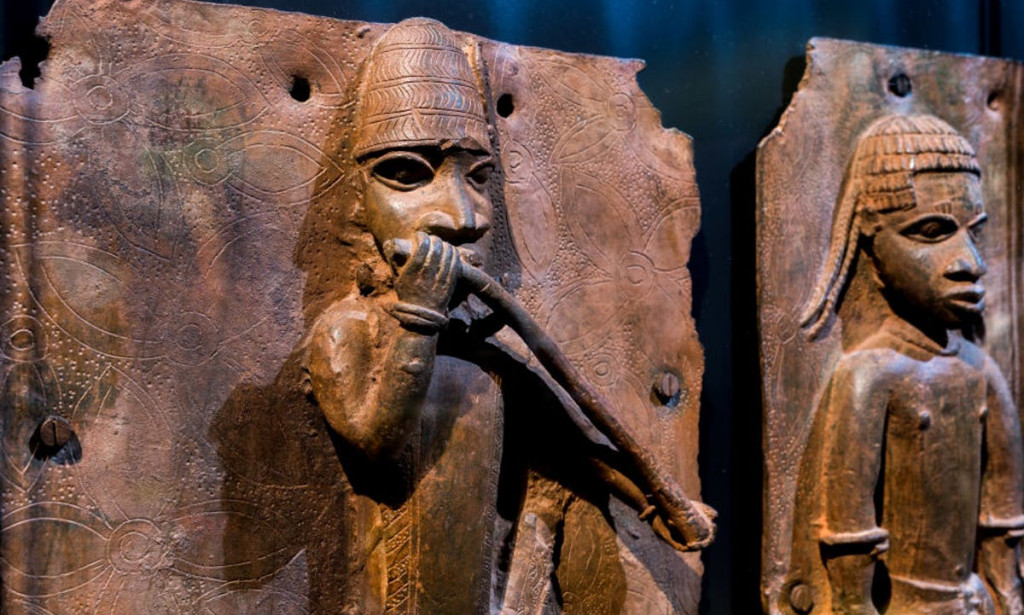
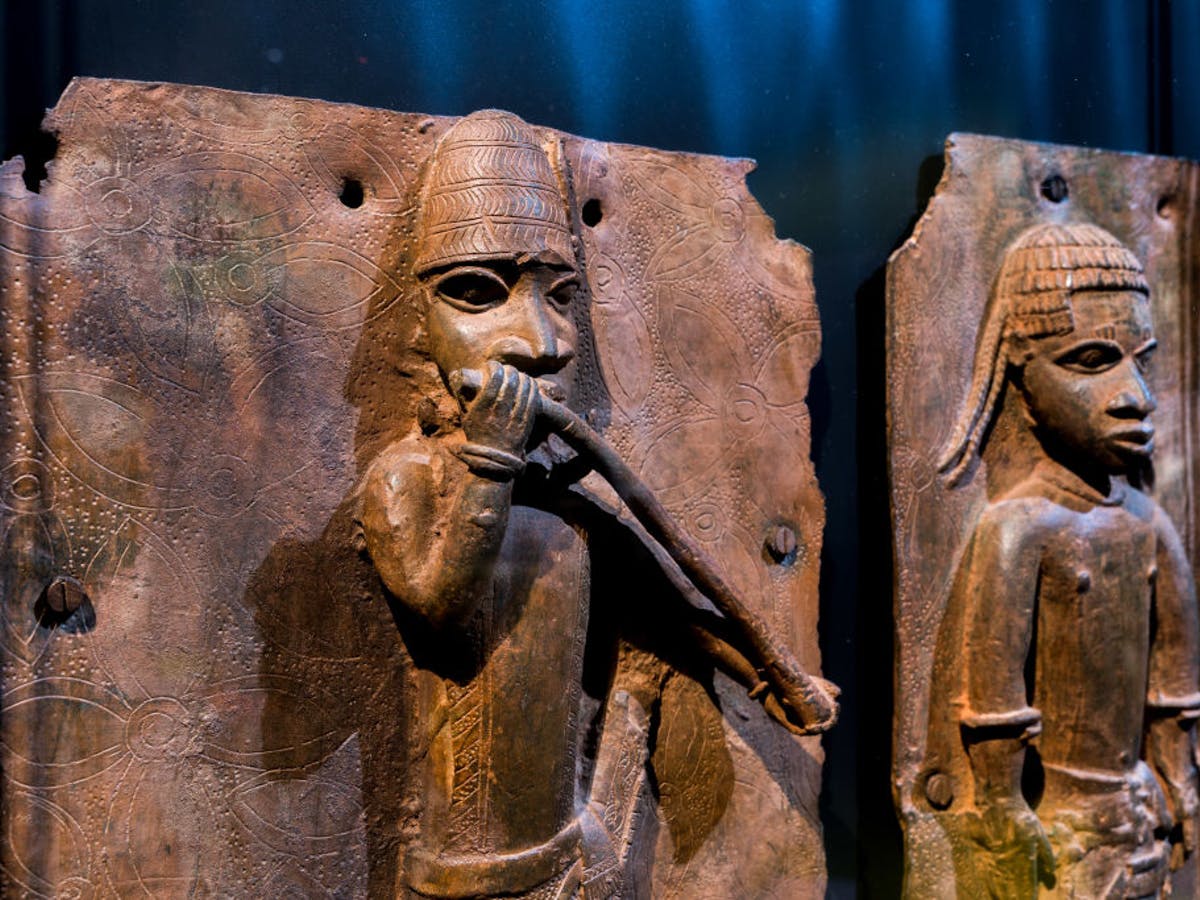
Even before establishing its "ethical returns" policy, the Smithsonian announced in March that it will return 39 bronze statues to Nigeria, which had been demanding the "Benin Bronzes" for decades. In their place, the museum constructed a picture exhibit and a placard stating that it was aware of "the anguish, violence, and loss that such exhibitions of stolen creative and cultural heritage may impose on the victims of those crimes, their families, and larger communities."
Many of the sculptures were looted from Benin City in 1897 by the British, who "confiscated all the royal valuables, giving some to individual officers but bringing the majority to auction in London to pay for the expedition's expense," according to the Smithsonian's website. The looted items were finally found.

You must be logged in to post a comment.