
People have congregated in big stadiums to witness different athletic events since ancient times. Fans may now watch live sports activities at stadiums that can accommodate audiences of 100 000 people or more. Most of these stadiums feature glamorous, cutting-edge leaderboards, viewing displays, and private boxes, as you'd expect from a world-class athletic arena. However, the big attraction is the sports that are played in these venues. The 10 largest stadiums in the world, ranked by capacity.
10 Bryant-Denny Stadium,
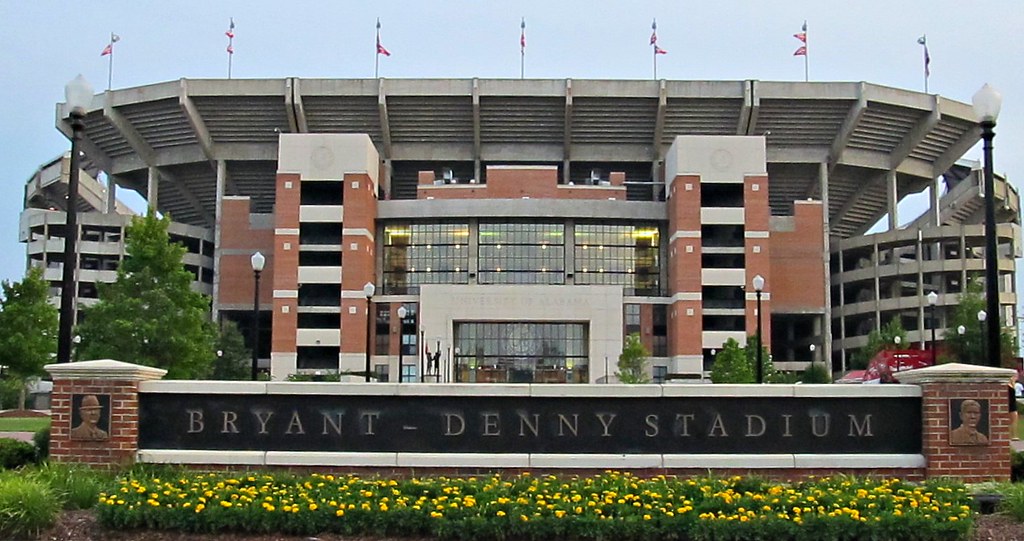
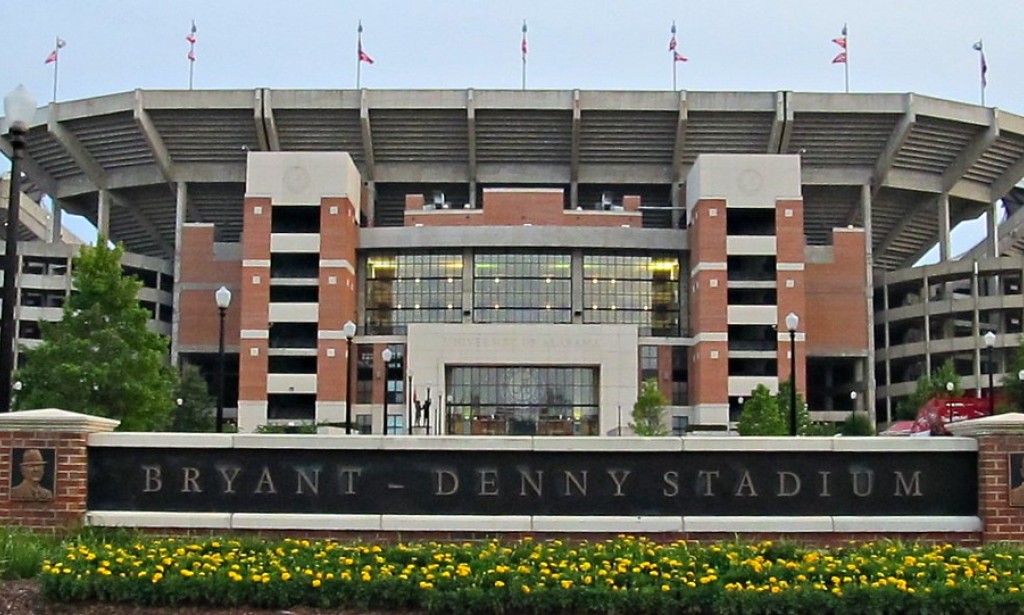
Bryant-Denny Stadium, which seats 100,077 people, completes our top ten list of the world's biggest stadiums. The Alabama Crimson Tide football team plays its home games at the facility. It was erected in 1929 in Tuscaloosa and, like many other stadiums constructed for college football in the United States, it has been extended many times since then. In reality, in 2018, it was reported that a $107 million makeover will be completed after the 2019 football season.
9 Darrell K Royal-Texas Memorial Stadium
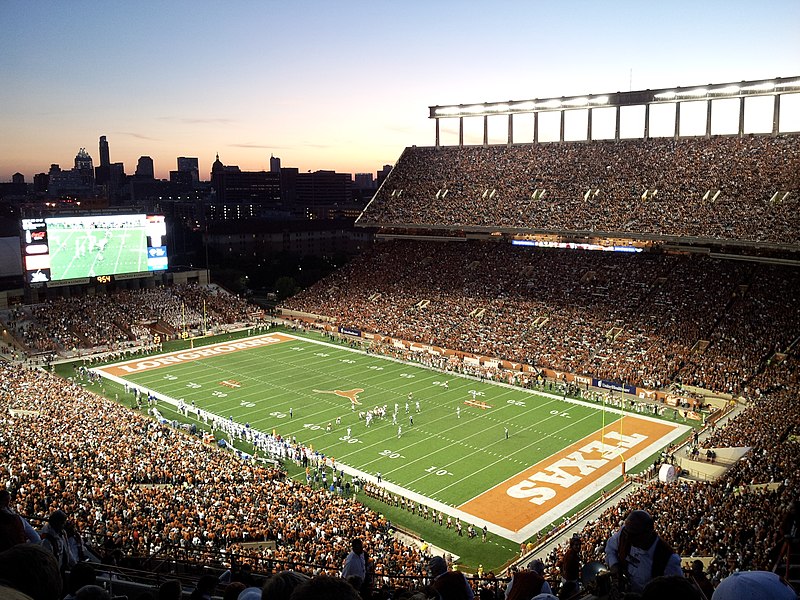
The Darrell K Royal-Texas Memorial Stadium at Campbell-Williams Field, officially known as the Darrell K Royal-Texas Memorial Stadium at Campbell-Williams Field, is the ninth biggest stadium in the world, with a capacity of 100,019. The arena is located in Austin, Texas, the state capital of the United States. It is the home of the Texas Longhorns, a football team from the University of Texas. The stadium, first opened in 1924, has had various upgrades since then. When the Longhorns faced the University of Southern California (USC) Trojans in a game in 2018, it drew its greatest audience ever, with 103,507 fans in attendance.
8 Tiger Stadium
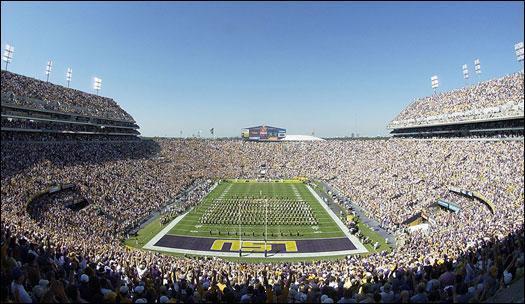
Tiger Stadium, sometimes known as "Death Valley," is the world's sixth biggest stadium. Tiger Stadium is the home stadium for Louisiana State University's football team, the Tigers, and is located in Baton Rouge, the capital of the United States state of Louisiana. Beginning in 1924, when there was just one spectator stand with a capacity of 12,000, the stadium was erected in stages. Tiger Stadium now has a seating capacity of 102,321. If you go to a football game there, you have a good chance of seeing the home side win. Indeed, Sport Magazine dubbed the stadium "America's most dreaded road playing location" in 1998.
7 Neyland Stadium
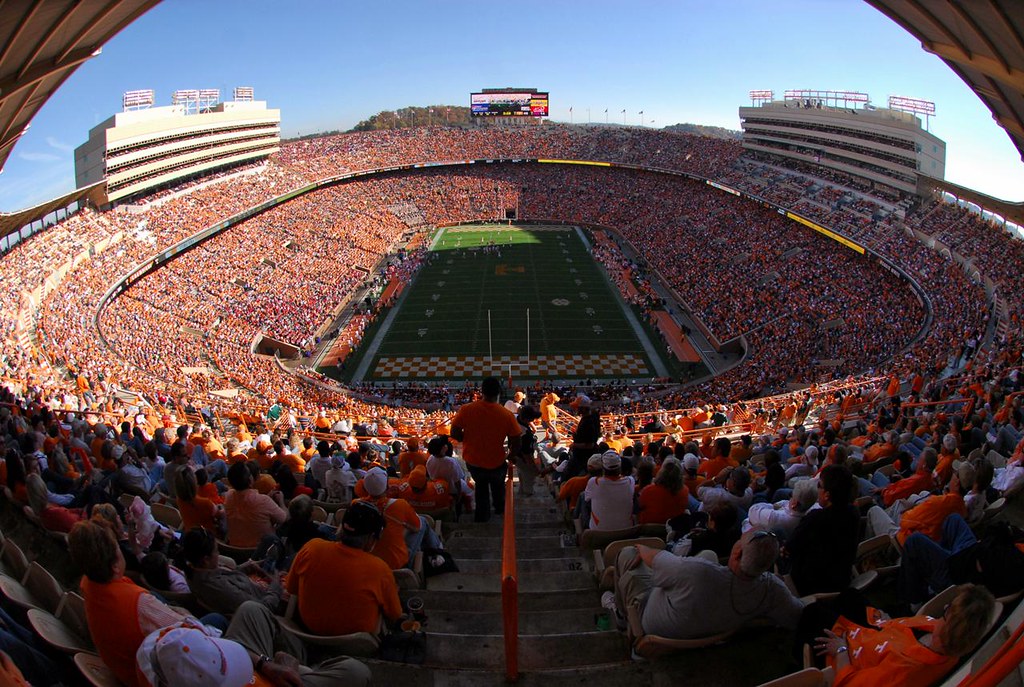
Neyland Stadium, in Knoxville, Tennessee, is the world's sixth biggest stadium. The venue is another another tribute to, you guessed it, college football in the United States. Shields-Watkins Field was the name of the stadium when it initially opened in 1921. It was renamed Neyland Stadium in 1962 to commemorate Robert Neyland, the man regarded as the founder of the University of Tennessee football team. Between 2004 and 2019, the arena received considerable modifications as part of a five-phase refurbishment programme. Neyland Stadium now has a capacity of 102,455 spectators.
6 Kyle Field
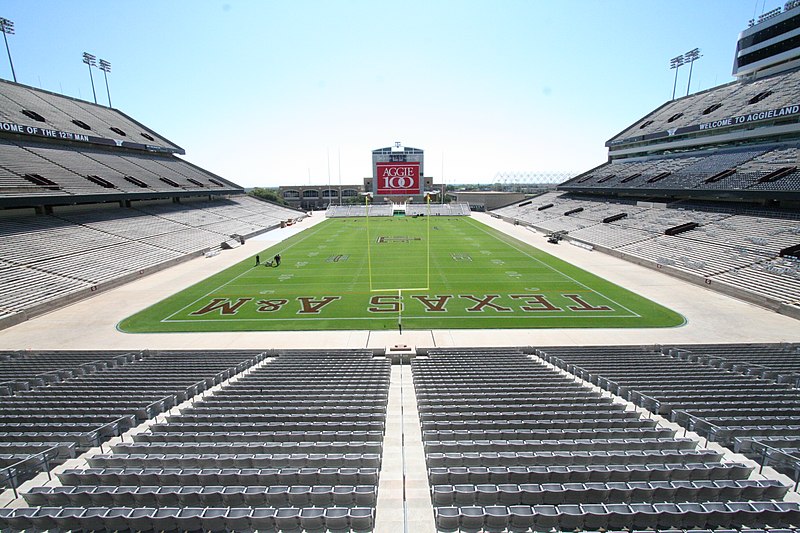
Kyle Field, owned by Texas A&M and situated in College Station, Texas, is the world's sixth biggest stadium, seating 102,733 people. Kyle Field, like many of the other stadiums on our list, is mainly a college football stadium in the United States. In 1905, the stadium made its debut. It started a significant rebuilding phase in 2014, one of the largest in the history of American college athletics, which was finished the following year. Since then, the Aggies, the home football team, have drawn audiences of 100,000 or more for every game.
5 Ohio Stadium
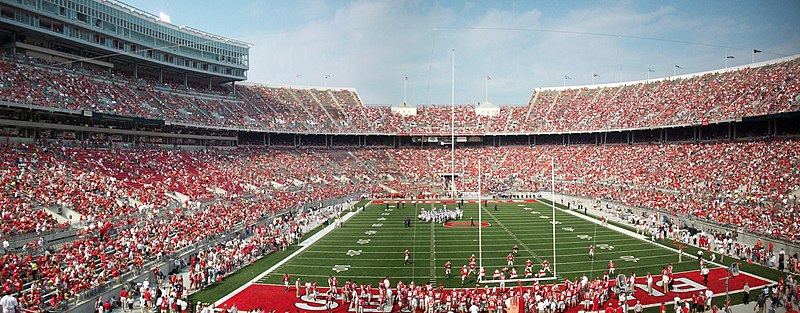
Because of its form, Ohio Stadium is known as "The Horsehoe" or simply "The Shoe." It is situated in Columbus, Ohio. It initially opened its doors in 1922 and was renovated in 2001. The stadium presently has a capacity of 102,780 people, making it the world's fifth biggest stadium. The stadium is mostly utilised for collegiate sports in the United States, particularly college football. In 2016, the stadium had a record attendance of 110,045 individuals attend a game between the Ohio State Buckeyes and the Michigan Wolverines. Non-sporting events are also held at Ohio Stadium, including concerts by Pink Floyd and the Rolling Stones.
4 Beaver Stadium
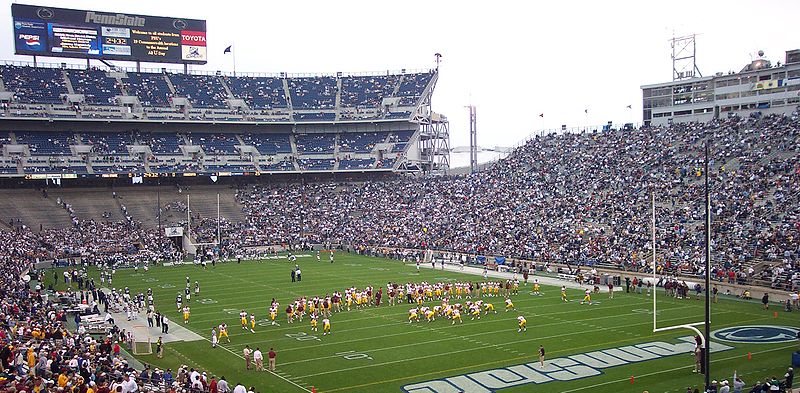
University Park, Pennsylvania is home to the world's fourth biggest stadium and the United States' second biggest. The facility, which first opened its doors in 1960, has a seating capacity of 106,572. It is presently the home of the Nittany Lions, a football team from Pennsylvania State University. Beaver Stadium is, first and foremost, a collegiate football stadium. In fact, in a survey held by USA Today in 2016, the stadium was chosen the top college football site.
3 Michigan Stadium
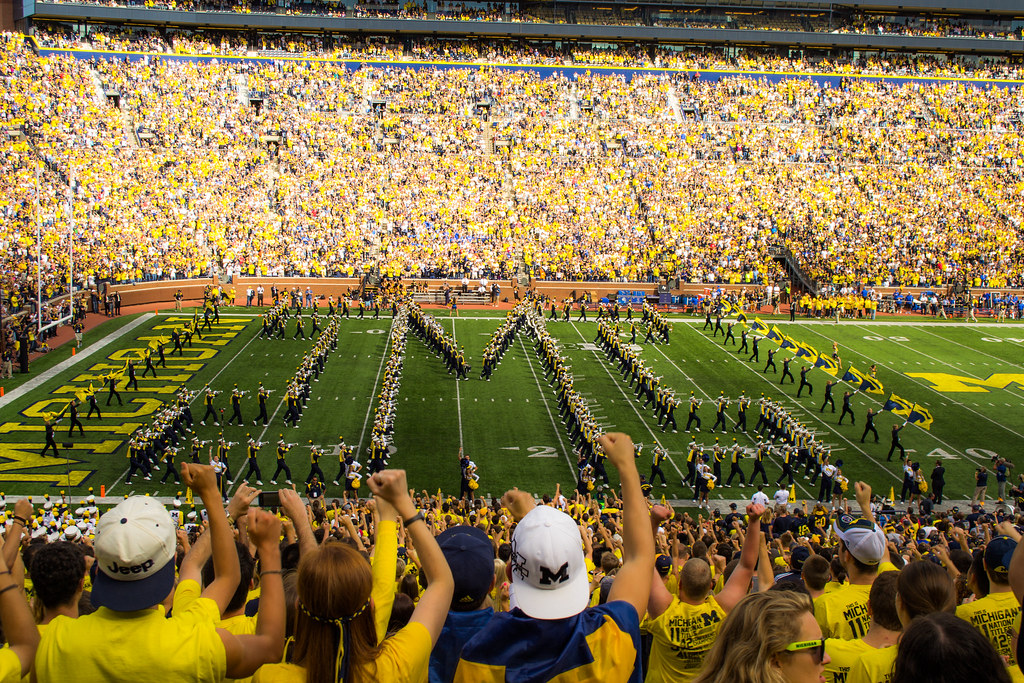
Michigan Stadium, as its name suggests, is situated in the state of Michigan, especially at the University of Michigan in Ann Arbor. It is the biggest stadium in the United States and the world's third biggest. The stadium, dubbed "The Big House" by University of Michigan students, holds 107,601 people. The venue's most popular sport is American college football. Other athletic events, such as the International Champions Cup soccer competition, are held there. When it staged a game between the Detroit Red Wings and the Toronto Maple Leafs in 2014, it established an NHL attendance record of 105,491.
2 Sardar Patel Stadium
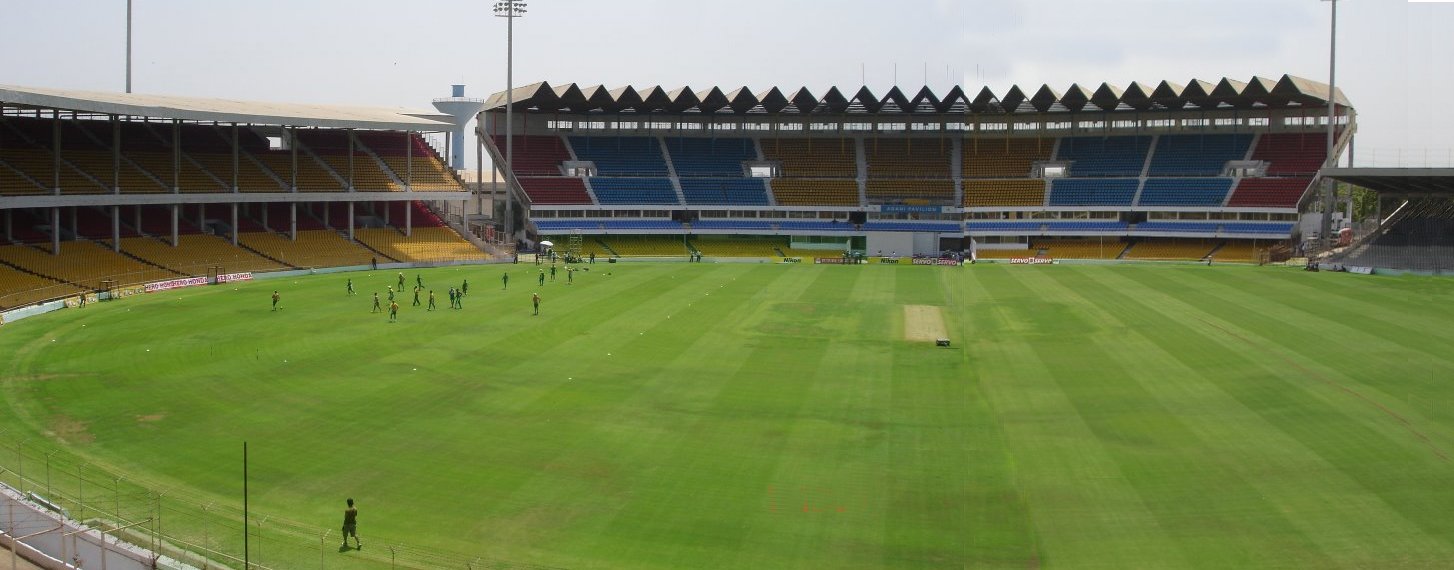
Ahmedabad, India's second biggest city, is home to the world's second biggest stadium. It has a seating capacity of 110,000 people. Sardar Patel Stadium, also known as the Motera Stadium, was erected on the site of a previous stadium with the same name that had a considerably lower capacity of 49,000. The present stadium, which was opened in 2020 by Indian Prime Minister Narendra Modi and then-US President Donald Trump, is the newest on our list. Sardar Patel Stadium is presently the world's largest cricket stadium. Cricket has supporters all across the globe, but India is one of the most popular countries for the sport.
1 Rungrado May Day Stadium
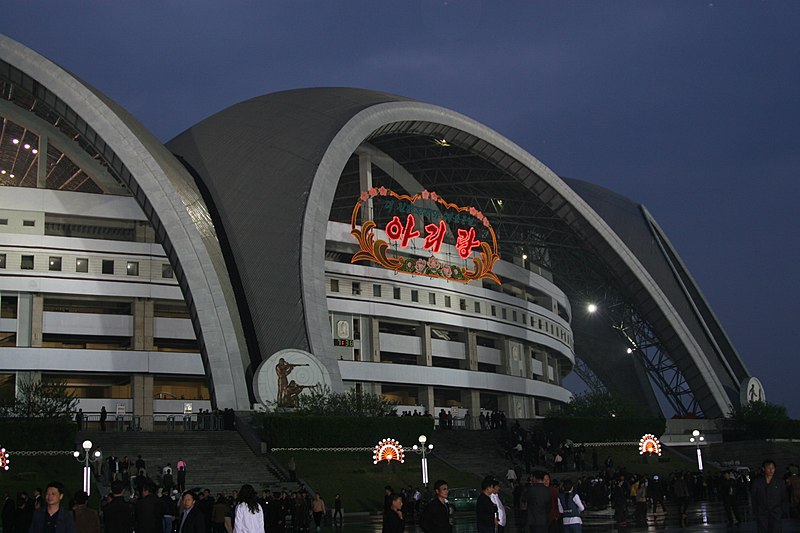
The Rungrado May Day Stadium is the world's largest stadium. It has an official capacity of 150,000 people, although it is estimated that the true capacity is closer to 114,000, making it the world's largest stadium by capacity. The stadium was designed to resemble a magnolia bloom, but it is fashioned like a parachute. It will host a variety of athletic events, including football (soccer) matches by North Korea's national team. The stadium, on the other hand, is often utilised to hold military parades. During a wrestling event in 1995, the stadium set a global attendance record with 190,000 spectators.

You must be logged in to post a comment.