
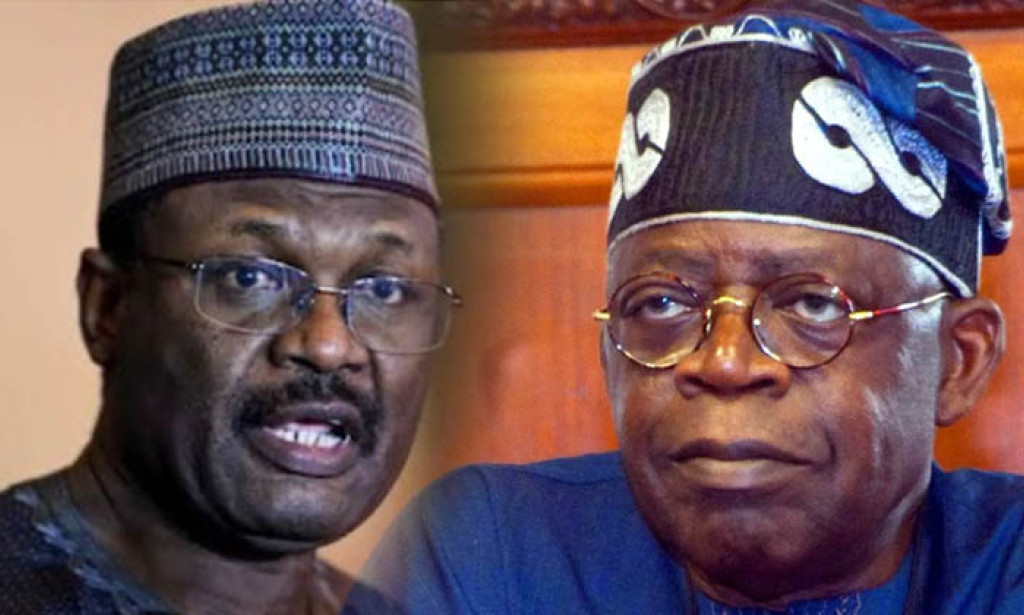
The 2024 Edo State governorship election in Nigeria has been fraught with allegations of electoral manipulation, with accusations directed at both the Independent National Electoral Commission (INEC) and the presidency. These claims suggest a deliberate effort to favor the All Progressives Congress (APC) candidate, Monday Okpebholo, despite his perceived disconnect with the electorate.
Allegations of Electoral Manipulation
The Peoples Democratic Party (PDP) and various civil society organizations have accused INEC of altering election results to benefit the APC candidate. Reports indicate that collated results from local government areas showed discrepancies between the votes recorded on INEC's Result Viewing (IReV) portal and the official results announced. For instance, in Akoko-Edo Local Government Area, significant inflation of APC votes was alleged, with figures on the official result sheets not matching those uploaded online.
Role of INEC and Security Forces
INEC has been criticized for its handling of the election process, with claims that it failed to maintain neutrality. The presence of security forces allegedly barred party agents and observers from monitoring the collation process, raising suspicions of result manipulation. The PDP has also accused security operatives of being complicit in these irregularities, suggesting a coordinated effort to suppress votes and alter results in favor of the APC.
Presidential Influence and Political Dynamics
Critics have pointed fingers at President Bola Ahmed Tinubu's administration, alleging that it played a role in orchestrating these manipulations to ensure an APC victory. The appointment of officials perceived as APC sympathizers within INEC has further fueled these allegations. This election is seen as a test of the APC's popularity amidst Nigeria's economic challenges, making the stakes particularly high for the ruling party.
Public Reaction and Implications
The alleged manipulation has sparked outrage among Nigerians, with calls for both domestic and international condemnation. The PDP plans to challenge the election results in court, asserting that their candidate, Asue Ighodalo, was the rightful winner before figures were altered during collation. This controversy underscores ongoing concerns about Nigeria's electoral integrity and highlights the need for reforms to strengthen democratic processes.
In conclusion, the 2024 Edo State election reflects broader issues within Nigeria's political system, where allegations of manipulation undermine public trust in democratic institutions. Addressing these challenges requires a concerted effort to ensure transparency and accountability in future elections.

You must be logged in to post a comment.