
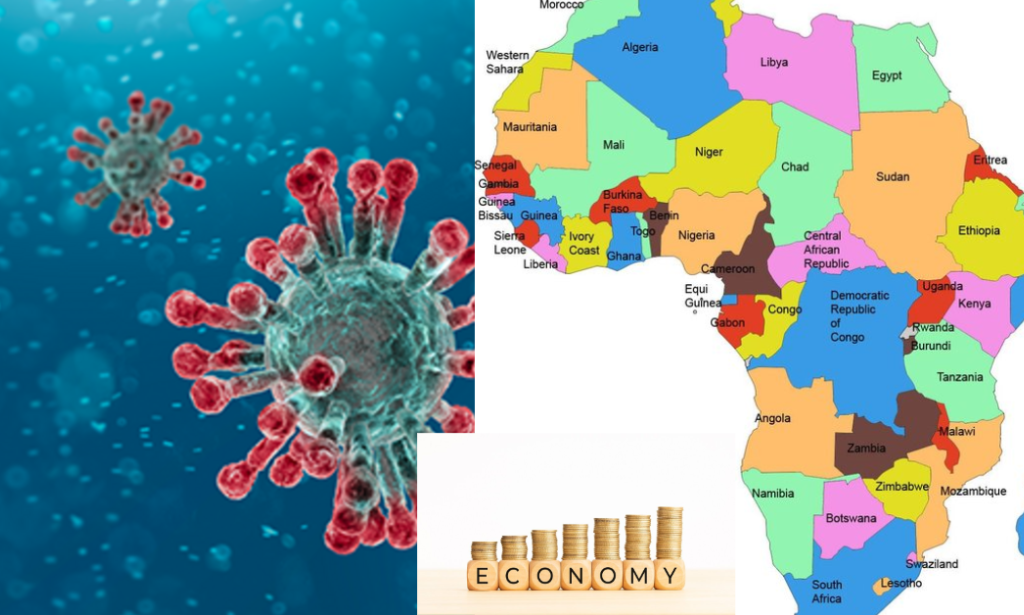
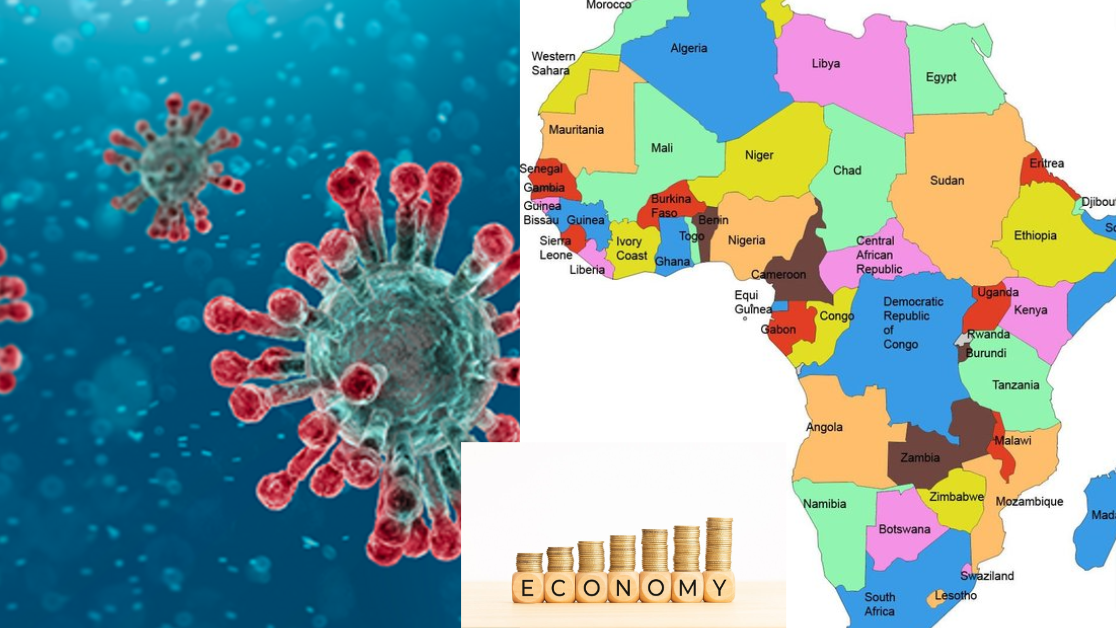
 Africa is a vast and diverse continent, home to over 1.3 billion people and 54 countries, each with its own unique culture and economic landscape. Unfortunately, Africa is also one of the poorest continents in the world, with an average GDP per capita of just $2,100 in 2017, according to the World Bank. The spread of Covid-19 has already had a significant economic impact on Africa, with many countries struggling to cope with the pandemic's effects.
The Impact of Covid-19 on Africa's Economy
The economic impact of Covid-19 on Africa has been significant. The virus has caused a slowdown in economic activity, with many businesses shutting down or operating at reduced capacity. The pandemic has also led to a decrease in tourism and foreign investment, which are critical sources of revenue for many African countries.
In addition, the outbreak has led to a rise in the cost of goods and services, as many countries have struggled to keep up with demand. The disruption to global supply chains has also led to shortages of essential goods, such as medical supplies and personal protective equipment.
The economic impact of Covid-19 will be different in each African country. However, in general, the virus is likely to cause a decrease in economic growth, a rise in unemployment, and an increase in the cost of goods and services. According to the African Development Bank, the economic impact of Covid-19 could cost Africa up to $173.1 billion in output losses.
The Impact of Covid-19 on African Countries
The economic impact of Covid-19 will be most severe in countries that are already struggling economically. These countries include Ghana, South Africa, Nigeria, Ethiopia, Kenya, Tanzania, Uganda, Zambia, and Zimbabwe. Let's take a closer look at how the pandemic has affected some of these countries.
Ghana
Ghana has been one of the hardest-hit African countries in terms of economic impact. The country's GDP is expected to contract by 1.5% in 2020 due to Covid-19, and the pandemic has led to a significant decline in foreign investment. Ghana's government has implemented a stimulus package to mitigate the pandemic's economic impact, but the country's debt levels are also rising.
South Africa
South Africa is the hardest-hit country on the continent in terms of Covid-19 infections, with over 2 million cases as of early 2022. The pandemic has also had a significant economic impact, with the country's GDP contracting by 7% in 2020. The pandemic has led to a rise in unemployment, with many businesses struggling to stay afloat. The government has implemented a relief package, but it has been criticized for not doing enough to support small businesses and informal workers.
Nigeria
Nigeria is the largest economy in Africa, but it has also been hard hit by the pandemic. The country's GDP is expected to contract by 4.4% in 2020, and the pandemic has led to a significant decline in foreign investment. The pandemic has also led to a rise in inflation, with the cost of goods and services increasing.
Ethiopia
Ethiopia is one of the fastest-growing economies in Africa, but the pandemic has led to a significant slowdown. The country's GDP is expected to contract by 1.8% in 2020, and the pandemic has led to a decline in foreign investment. The government has implemented a relief package, but it has been criticized for not doing enough to support small businesses and informal workers.
In Kenya, the outbreak has led to a decline in tourism, which is a major source of revenue for the country. In addition, the pandemic has caused a slowdown in economic activity, which has led to an increase in the number of people losing their jobs. As a result, the Kenyan government has implemented several measures to support the economy, such as reducing taxes, providing loans to small businesses, and increasing spending on healthcare.
Tanzania has taken a different approach to the pandemic, with the government downplaying the severity of the outbreak and refusing to implement lockdown measures. This has led to a lack of foreign investment and a decrease in economic activity, as many businesses have been forced to close due to the pandemic. As a result, the country is expected to experience a significant economic downturn in the coming years.
Uganda is also likely to be significantly affected by the economic impact of Covid-19. The country has seen a decline in tourism and a slowdown in economic activity, which has led to an increase in unemployment. The Ugandan government has implemented several measures to support the economy, such as providing loans to small businesses and increasing spending on healthcare.
In Zambia, the pandemic has caused a decline in copper prices, which is a major source of revenue for the country. This has led to a decrease in economic activity and an increase in unemployment. The Zambian government has implemented several measures to support the economy, such as reducing taxes and increasing spending on healthcare.
Finally, in Zimbabwe, the pandemic has led to a decrease in economic activity and an increase in unemployment. The Zimbabwean government has implemented several measures to support the economy, such as providing loans to small businesses and increasing spending on healthcare. However, the country is already facing significant economic challenges, which means that the impact of Covid-19 is likely to be more severe in Zimbabwe than in some other African countries.
According to the International Monetary Fund (IMF), Sub-Saharan Africa's economy is expected to contract by 3.2% in 2020, marking the first recession in the region in 25 years. The continent's GDP growth rate is also expected to be significantly lower in 2021, with the IMF forecasting growth of just 3.4%.
One of the main drivers of this economic slowdown is the impact of Covid-19 on global trade. With many countries around the world implementing lockdowns and travel restrictions, international trade has slowed considerably. This has had a significant impact on African countries that rely heavily on exports, such as oil-producing nations like Nigeria and Angola.
The slowdown in international trade has also had an impact on the flow of remittances into African countries. Remittances are a vital source of income for many families and communities across the continent. In 2019, African migrants sent a total of $48 billion back to their home countries, according to the World Bank. However, with many African migrants losing their jobs in countries like the United States and Europe, the flow of remittances has slowed considerably.
The pandemic has also had a significant impact on the tourism industry in Africa. In 2019, the continent welcomed 67 million tourists, generating $38 billion in revenue. However, with travel restrictions and lockdowns in place in many African countries, the tourism industry has been decimated. The United Nations World Tourism Organization (UNWTO) estimates that international tourist arrivals in Africa could decline by between 60% and 80% in 2020.
The pandemic has also led to a rise in the cost of goods and services in many African countries. In some cases, this is due to supply chain disruptions caused by lockdowns and travel restrictions. In other cases, it is due to the devaluation of local currencies. For example, the Nigerian naira has lost nearly 25% of its value against the US dollar since the beginning of the pandemic. This has made imported goods more expensive and has led to a rise in inflation in the country.
The economic impact of Covid-19 on Africa is likely to be felt for years to come. In addition to the immediate impact on economic growth, the pandemic has also exposed the vulnerability of many African economies. It has highlighted the need for greater investment in healthcare systems, social safety nets, and economic diversification.
Despite these challenges, there are also opportunities for African countries to build back better. The pandemic has accelerated the shift towards digital technologies and e-commerce, presenting opportunities for African entrepreneurs and businesses. It has also highlighted the need for greater regional integration and cooperation, which could help to strengthen supply chains and improve the resilience of African economies.
In conclusion, the Covid-19 pandemic has had a significant economic impact on Africa, with the continent facing a recession for the first time in 25 years. The slowdown in global trade, the decline in remittances, and the collapse of the tourism industry have all contributed to this economic downturn. However, there are also opportunities for African countries to build back better and create more resilient, inclusive, and sustainable economies in the post-pandemic era.
https://twitter.com/Covid_Africa?s=20

You must be logged in to post a comment.