
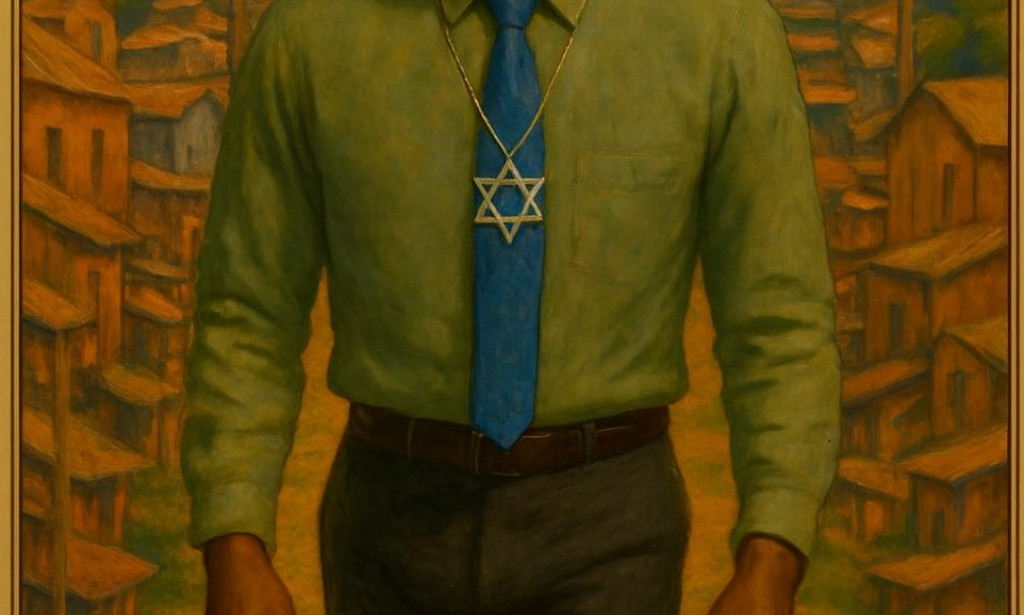
Tarot has long been a tool for reflection, guidance, and storytelling. Yet for centuries, the most widely recognized decks—such as the Rider–Waite–Smith—have been steeped in European symbolism, imagery, and cultural references. While these decks hold historical significance, they often feel distant to those whose lived experiences and cultural heritage are rooted elsewhere. This realization inspired me to create a tarot deck with a modern African theme, one that speaks directly to today’s African lifestyle and identity.
The motivation was simple but profound: I wanted a tarot deck that any person in Africa, or anyone of African heritage, could see themselves in. Traditional European decks often depict medieval castles, knights, and biblical archetypes that reflect a specific cultural lens. But for many Africans, these symbols do not resonate with the rhythms of daily life, the landscapes we inhabit, or the ancestral wisdom we carry. By reimagining tarot through African themes, I sought to bridge that gap—making the cards not only accessible but deeply relatable.
In designing this deck, I drew inspiration from African traditions, modern urban life, and the diverse cultural expressions that define the continent today. Instead of the Rider–Waite’s medieval imagery, my deck incorporates symbols such as bustling marketplaces, ancestral masks, village gatherings, and contemporary African fashion. These are not just aesthetic choices; they are reflections of lived realities. They remind us that spirituality is not confined to distant myths but is woven into the everyday—whether in the rhythm of a drum, the wisdom of elders, or the resilience of communities.
Another reason for this project was the desire to reclaim narrative authority. Too often, African spirituality and symbolism have been filtered through external perspectives, leaving Africans to interpret themselves through borrowed imagery. By creating a tarot deck rooted in African themes, I wanted to affirm that our stories, archetypes, and symbols are powerful in their own right. The Fool, for example, might be reimagined as a traveler setting out across the savannah, guided by ancestral spirits rather than medieval jesters. The Empress could embody the nurturing strength of African motherhood, surrounded by symbols of fertility and abundance drawn from local traditions. These reinterpretations allow the cards to speak authentically to African experiences while still honoring the universal archetypes that tarot represents.
Equally important was the need to make tarot relevant to contemporary life. Africa today is not only tradition—it is modernity, innovation, and global connection. My deck reflects this duality, blending ancestral motifs with modern themes such as technology, migration, and urban culture. This ensures that the cards resonate not only with those who seek spiritual guidance but also with younger generations who want to see their realities reflected in the tools they use for self-discovery.
Ultimately, the creation of this modern African tarot deck was an act of cultural affirmation. It is a way of saying: our lives, our symbols, and our stories matter. Tarot should not be a foreign language; it should be a mirror. By grounding the deck in African themes, I hope to offer a tool that empowers people to see themselves more clearly, to connect with their heritage, and to navigate today’s challenges with wisdom drawn from both the past and the present. And as part of this journey, readers should watch out for a forthcoming series showcasing the Major Arcana—each card reimagined through African symbolism, offering fresh insight into timeless archetypes.

You must be logged in to post a comment.